Reef Sounds
Pre-shoot planning was absolutely key to this shoot. However, if working with researchers has taught me one thing, it’s that their schedule is constantly changing, so as much as we’d like our plans to be executed as planned, that rarely happens. The night before we start filming is the most crucial. Usually, I’ll be having dinner with the scientists, and this is my time to solidify details. I don’t just need to know what they’ll be doing over the next few days, I need to know how long each task might take, and whether any will be repeated. Are there any actions I can ask them to do twice? Are there any tasks where I need to be especially sensitive about being in the way? These aren’t questions you want to answer in the moment because you might find yourself flat-footed and not knowing what to do next. Asking these types of questions throughout the day keeps me prepared for every moment I pick up my camera,
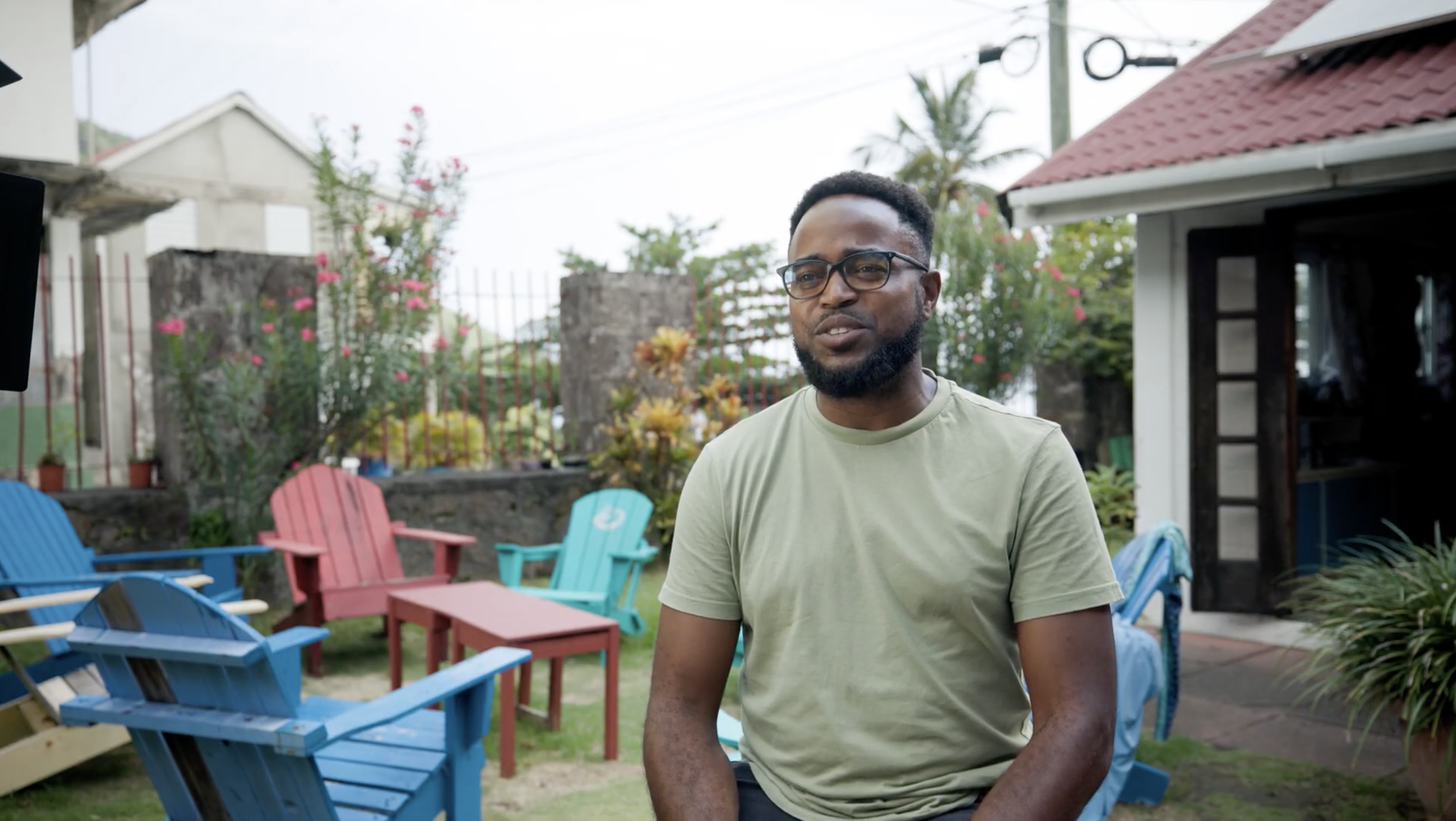
Finally, the most time-consuming and challenging to organize is shooting 8 interviews. While most of these were short 15-20 minute interviews, others were a little longer, and each had a unique setup. To get all 8, we shot 3 on the first afternoon and 5 on the second day. The hardest was getting everyone’s availability to line up. Shooting them back-to-back was helpful since setting up and breaking down interviews takes time. Luckily, we had a location that was relevant to the story that provided multiple slight changes of background. Even though we filmed these interviews back-to-back, each setup required tweaking the lighting, audio recording, and framing. Being completely comfortable with your gear is the only real solution to making the transition between each setup flow smoothly. You can read all the articles about how to film an interview, but all of that means nothing if you don’t have physical time using your gear and putting that knowledge into practice. If you’d like to hear more about this project or my process, feel free to reach out through the contact form on my website!
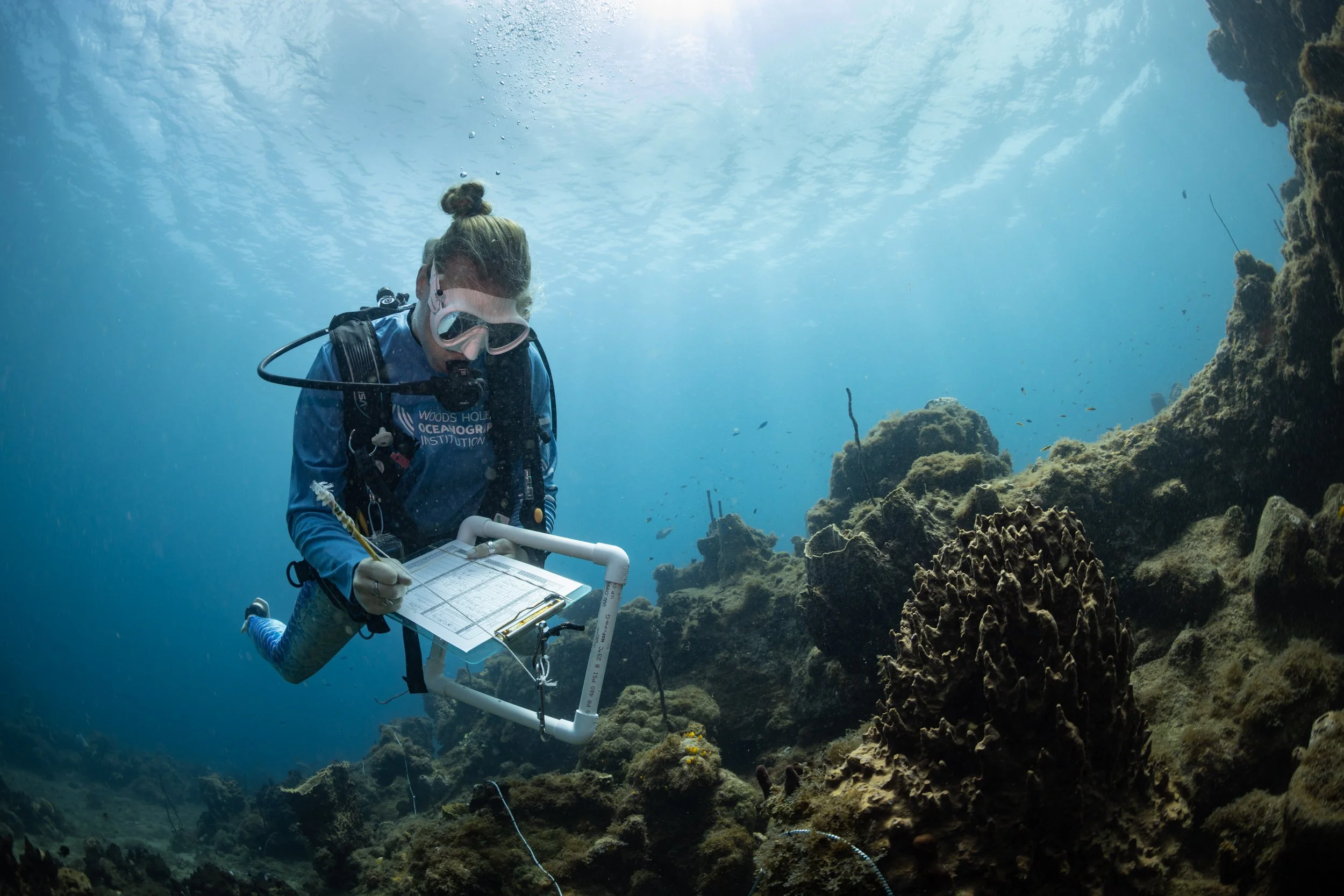
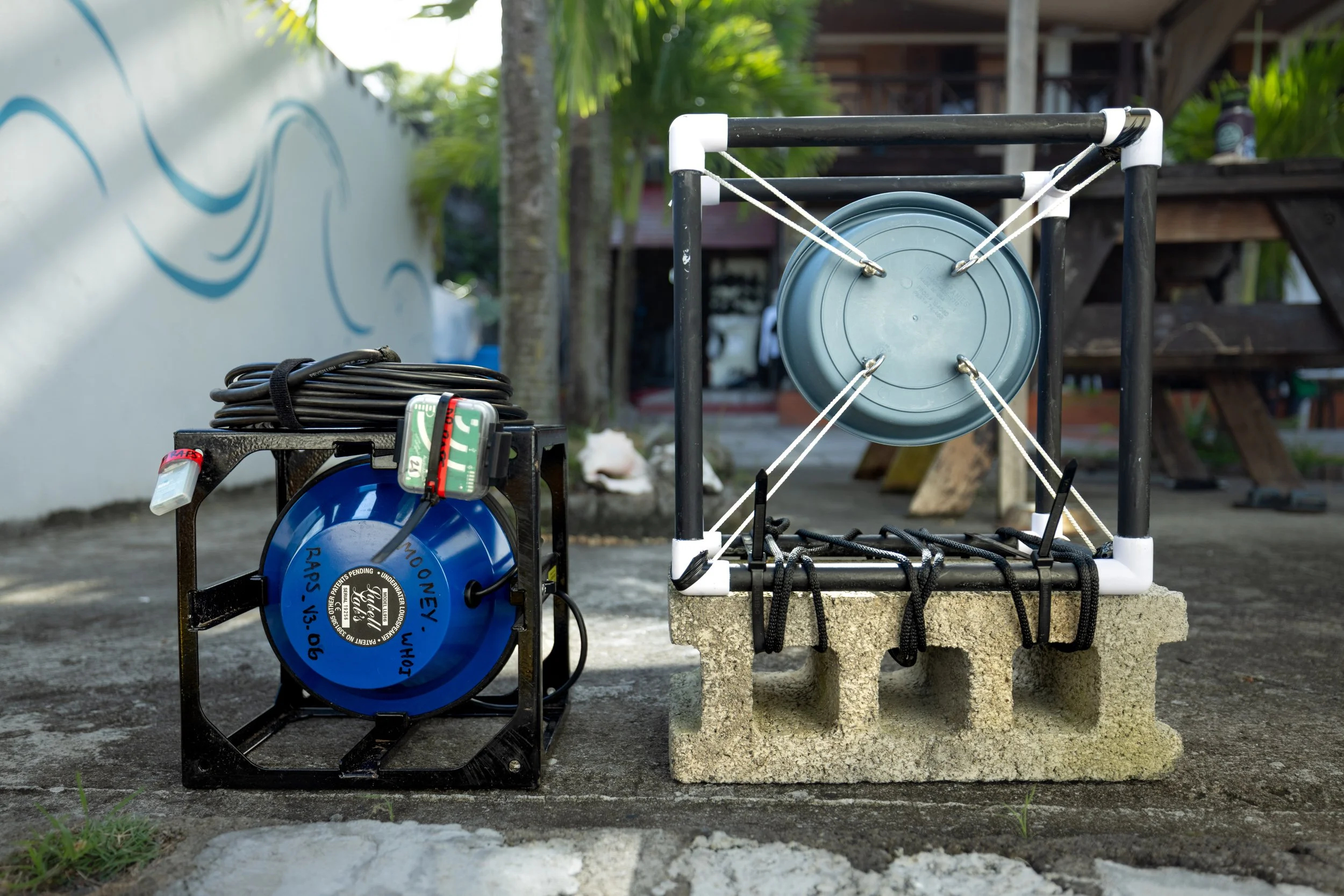
In late May I had the opportunity to work with the Woods Hole Oceanographic Institution’s Reef Solutions team as they deployed an experiment off the coast of Soufriere, Dominica. In an oversimplified explanation, the experiment looks at how the sound of a coral reef can alter where coral recruits (baby corals) settle on a reef following a coral spawning event. While the primary focus of this trip was to collect topside, underwater, and drone B-roll footage and film interviews with the researchers and local Dominican partners, I was also tasked with shooting stills opportunistically. I had 2 days and came back with 75 publishable photos, 297 video clips, and filmed 8 interviews. So how did I get it all done in that time without the aid of a director or producer on set to help guide the shoot?
While it’s not ideal to attempt to shoot video and stills on the same shoot, occasionally, it’s the only option. Since many of my assignment projects require this, I chose the Canon R5C as my primary camera. With the full capabilities of the Canon R5 for photography and a full cinema menu for video, this camera has been a game-changer for me in being able to quickly switch between stills and video. I also have pre-programmed shooting settings so I can quickly switch to filming in 24fps or 60fps. The hardest part is switching between mindsets for shooting stills vs video. For this shoot, WHOI was mostly interested video so I kept that at the forefront of how to tell their story. But this is something that takes practice. The more you practice switching between the two mediums on the same shoot, the faster and easier it will become.