Polluted Guts
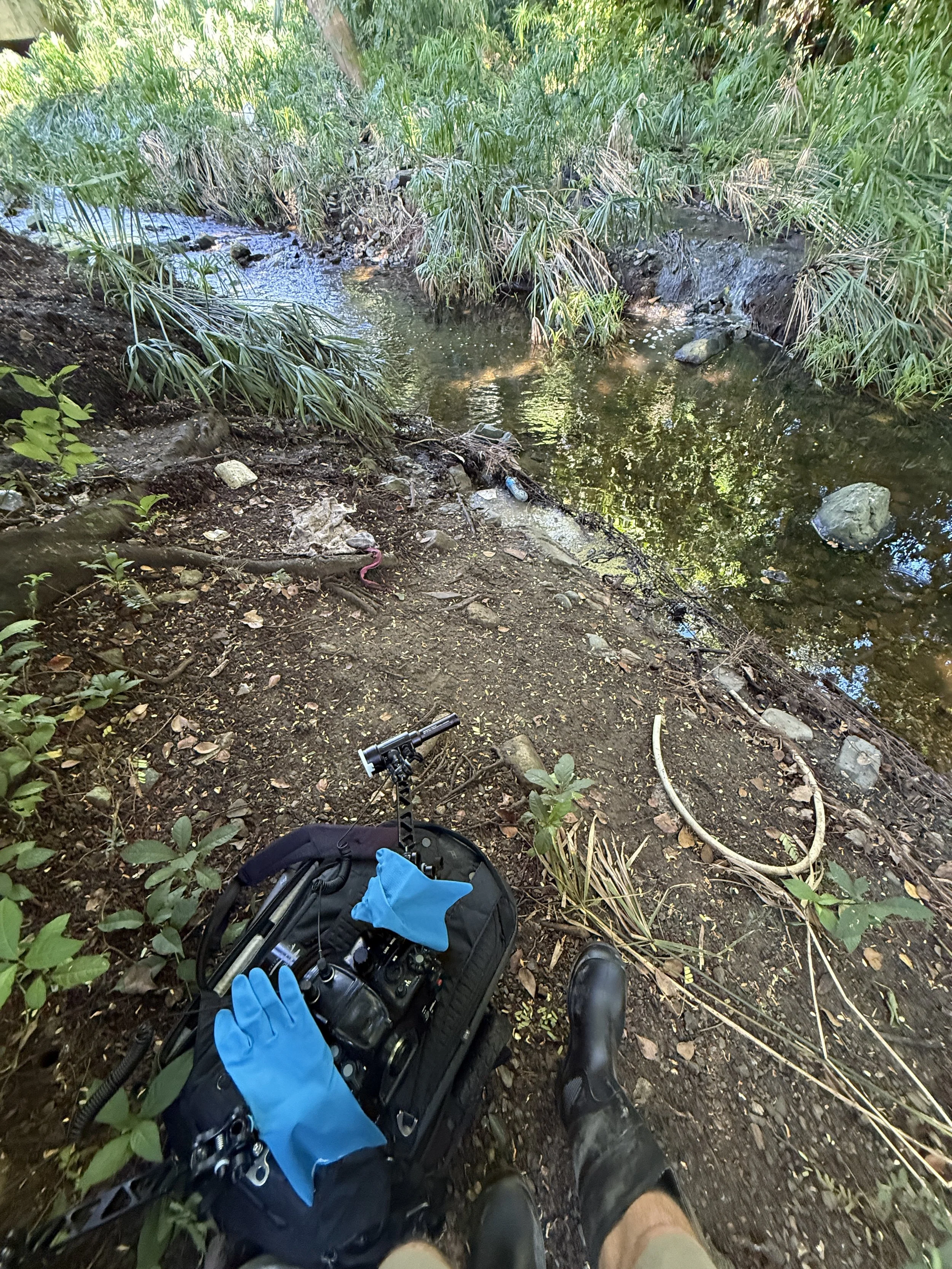
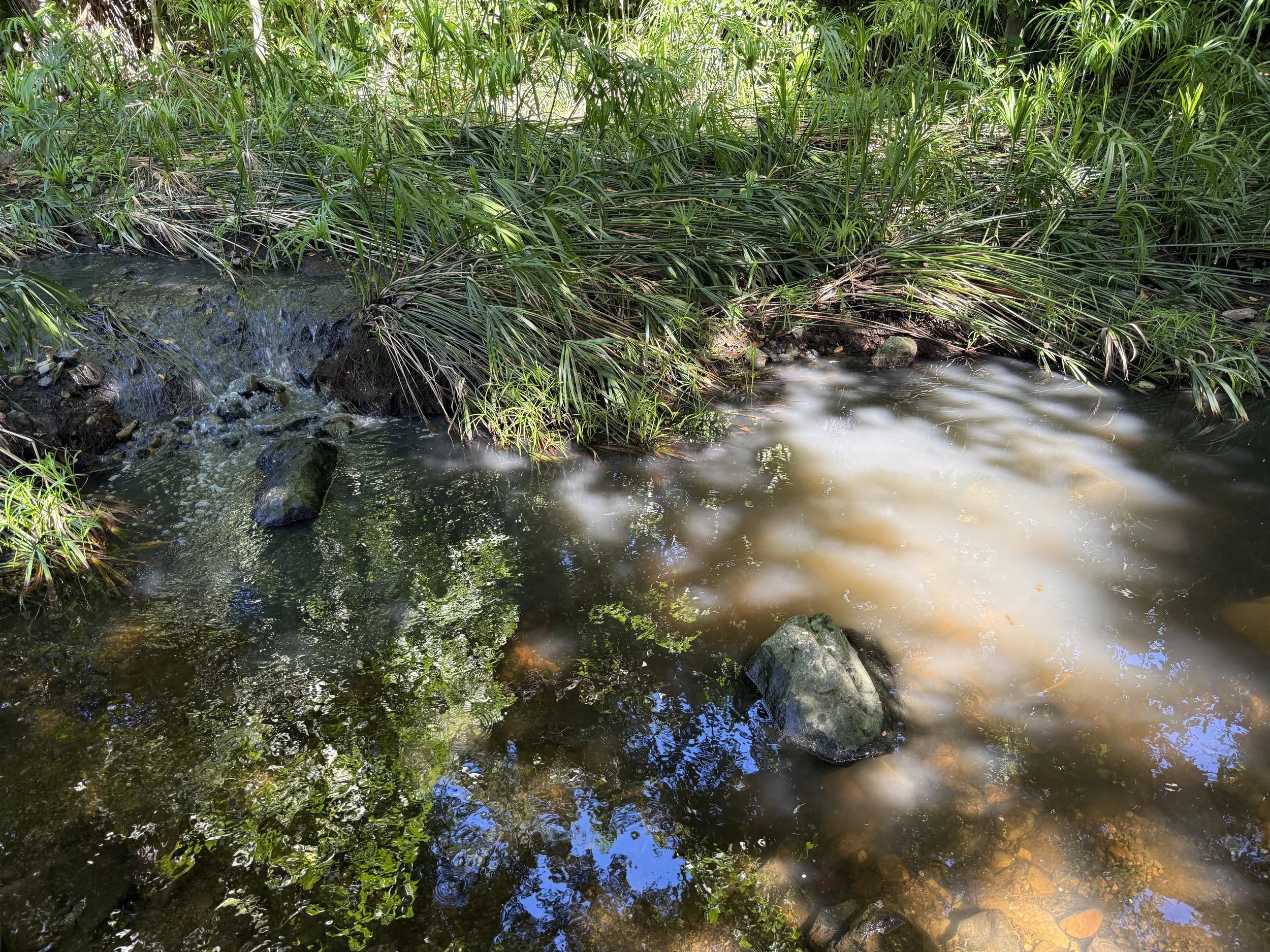
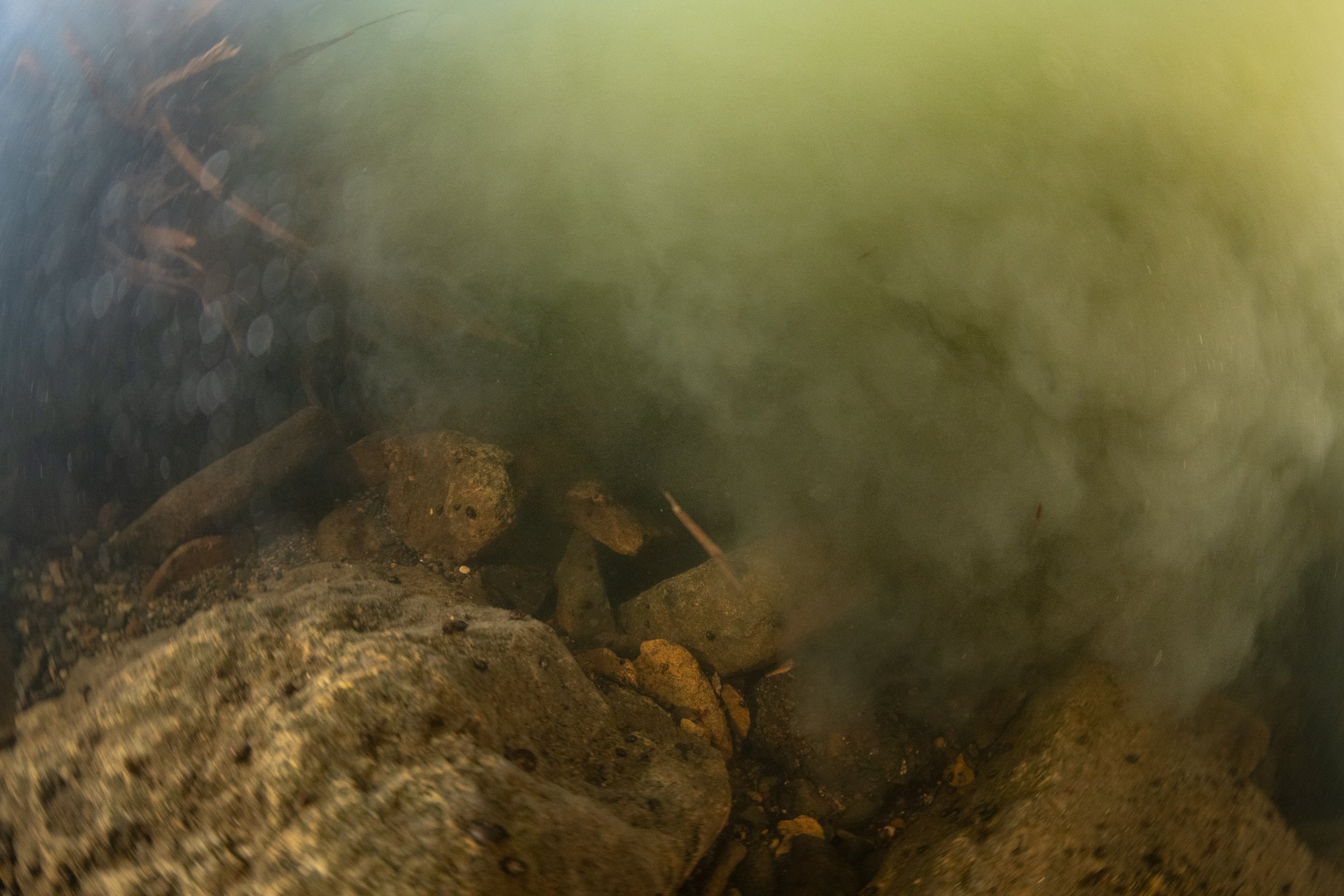
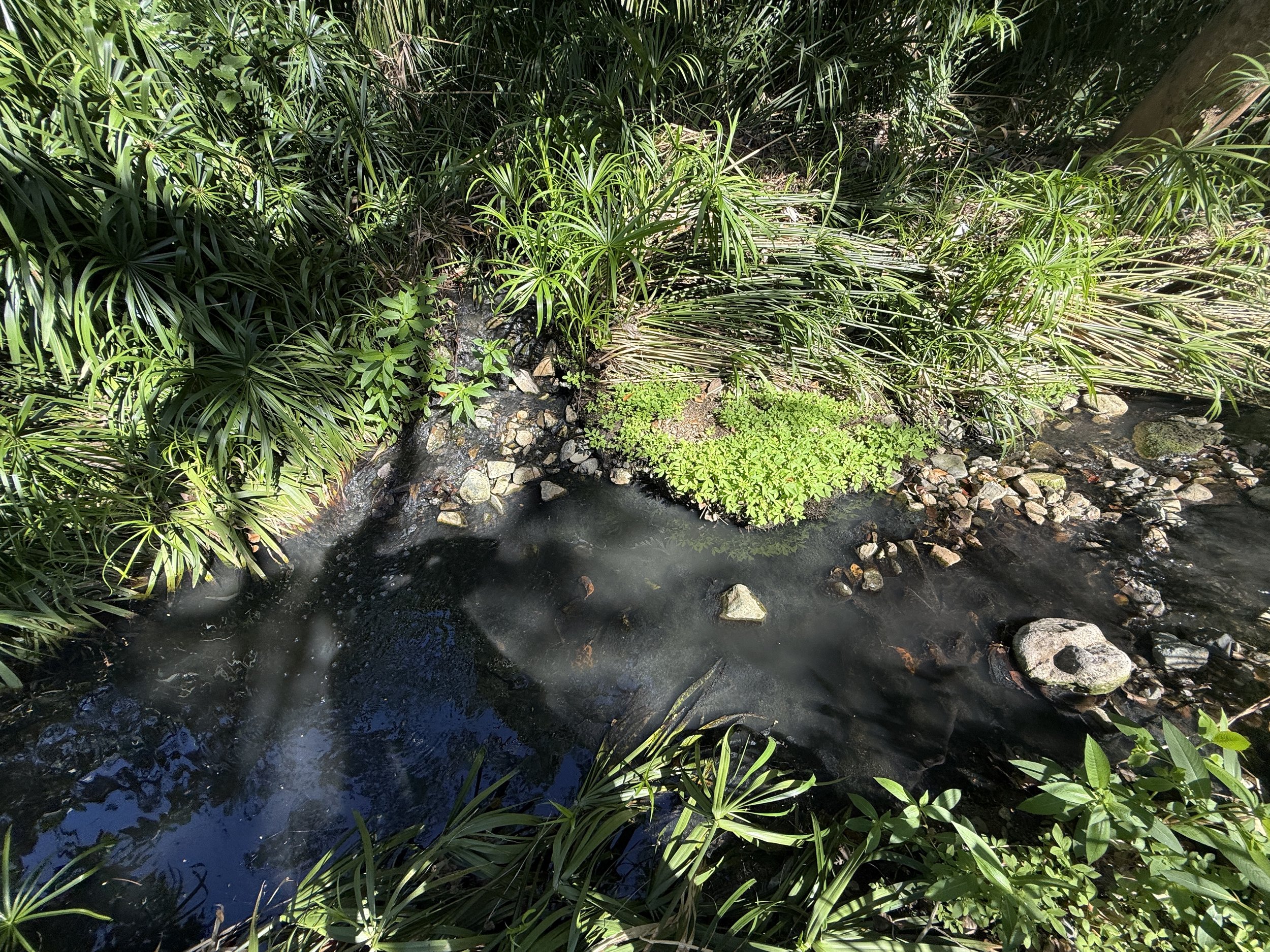
A few weeks ago, I was knee deep in a local stream photographing a dying fish. Based on the stench and what I could see, I can only presume raw sewage was being pumped into the water. This was the first time I had to wear personal protective equipment, rubber gloves and rubber boots, to get a shot. It felt important because freshwater environments are few and far between and receive little attention from conservation efforts.
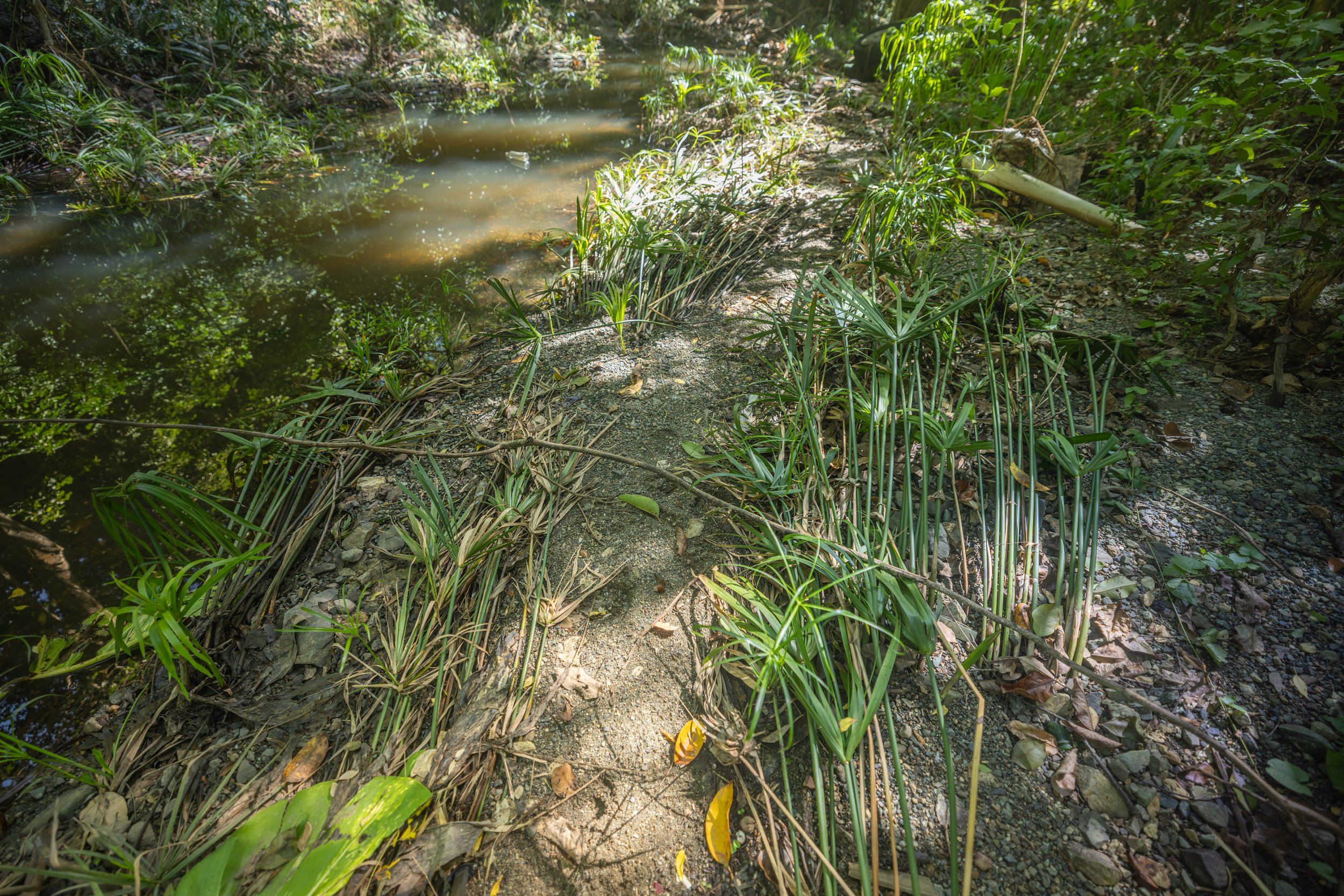
In the U.S. Virgin Islands, freshwater is a scarce resource. Over 90 percent of the population relies on cistern water. If it does not rain, we do not have water. When it does rain, the water flows through the guts, channels carved into our watersheds that run from the tops of the mountains out to the sea.
Most of these guts dry out between rain events, but a few on the island of St. Thomas continue to flow during the dry season. One of these, Turpentine Gut, is where I found the dying fish.
Salt River Watershed, St. Croix, U.S. Virgin Islands
In 2025, I completed a short film, Through the Gut: A Ride to Reef Story, which follows the journey of rainwater through U.S. Virgin Islands watersheds and its impacts on reef fish as the water reaches the sea. What the film did not cover is what lives underwater in the freshwater guts. Throughout 2026, my main personal project will be to explore these guts and help shed light on parts of the Virgin Islands that few get to see or even know exist. Every month or two, I will post behind-the-scenes photos from this project and share interesting encounters in the guts.